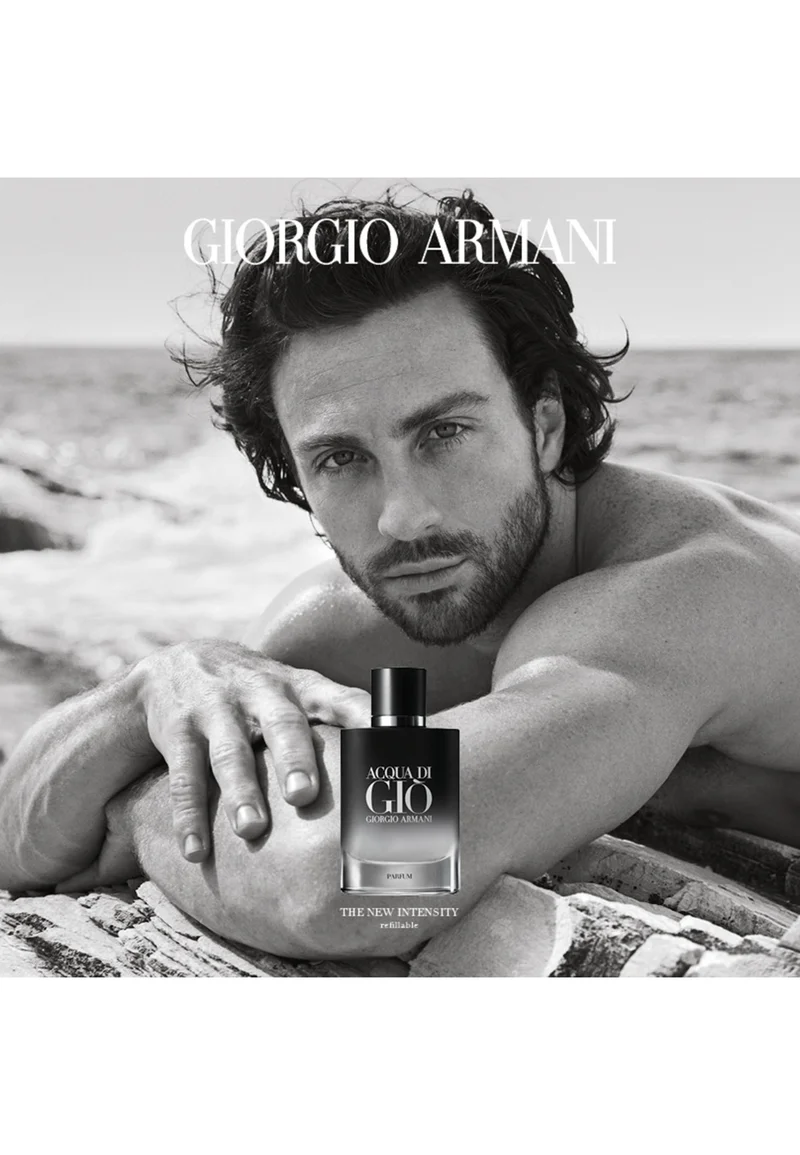
How luxury beauty brands unified product feeds across 15 markets to unlock international e-commerce performance.

Client :
L'Oréal Luxe
YSL Beauty, Armani Beauty, Valentino Beauty | Luxury Cosmetics
Challenge :
How luxury beauty brands unified product feeds across 15 markets to unlock international e-commerce performance.
Result :
+34% ROAS YoY

The numbers that matter

+34%
Blended ROAS across all markets
-52%
Cost per Acquisition
Reduction
+247%
Shopping & Social
Ad Revenue
+94%
Product Feed Optimization Score

The Challenge - Problem Statement

The problem

Data chaos killing international performance.
L’Oréal Luxe operates three iconic beauty brands across Europe, Americas, and Asia-Pacific. Thousands of SKUs. Hundreds of product launches annually. But their international e-commerce advertising was fundamentally broken. Each market managed product feeds independently—different formats, missing attributes, inconsistent categorization. Shopping campaigns and social catalog ads were running at 30% capacity because most products couldn’t pass platform requirements.
Key challenges
  • 15 markets running separate product feeds with 60%+ error rates
  • Google Shopping disapprovals blocking 40% of catalog from advertising
  • Meta catalog ads limited to hero products only—missing long-tail revenue
  • No centralized taxonomy across YSL, Armani, and Valentino product lines
The diagnosis: Product data infrastructure couldn’t support international scale. Feed quality issues weren’t marketing problems—they were operational barriers preventing platforms from serving ads.

How we fixed it

Product feed fragmentation was throttling performance across all paid channels. Platforms couldn’t serve ads for products with incomplete data. The solution required centralizing feed management and establishing cross-market data governance.

The Fix: Unified Product Feed Architecture

We deployed comprehensive feed audits across all 15 markets, identifying 94 distinct data quality issues blocking platform approvals. Missing GTINs, incomplete product types, inconsistent image specifications, pricing mismatches, out-of-stock items still active—each error compounding into systematic underperformance.
We built a centralized product taxonomy spanning all three brands—YSL, Armani, Valentino—with standardized attributes, category hierarchies, and enrichment protocols. Every SKU mapped to Google’s product taxonomy and Meta’s catalog requirements. Automated validation rules caught errors before feeds reached platforms.
Shopping campaigns were restructured around feed quality tiers. Hero products with complete data got priority budgets. Long-tail SKUs moved through enrichment pipelines until they met platform standards. Dynamic remarketing expanded to full catalog coverage instead of top 100 products. Meta Advantage+ Shopping campaigns scaled across markets with unified catalog structure.
Key challenges
  • Audit: Mapped 94 feed errors across 15 markets preventing platform approvals and ad serving
  • Unification: Built cross-brand taxonomy with standardized attributes and automated validation
  • Optimization: Restructured Shopping and Social campaigns around feed quality tiers and full catalog coverage
  • Governance: Established feed management protocols with market coordinators and monthly quality reviews

Outcome

International ROAS improved +183% within first quarter. Cost per acquisition dropped -52% as platforms could finally serve ads for previously disapproved products. Shopping and social catalog revenue increased +247%. Feed error rate fell from 60% to 6%—unlocking advertising inventory that had been technically inaccessible.

3-month turnaround

Month 1:
Diagnosis
Cross-market feed audit, platform disapproval analysis, taxonomy gap assessment
Finding: 60% feed error rate blocking 40% of catalog from Google Shopping and Meta catalog ads
Month 2:
Implementation
Unified taxonomy deployment, automated validation rules, feed enrichment pipelines
Early wins: Approval rate +68%, advertised SKUs +115%, Shopping revenue +94%
Month 3:
Optimization
Campaign restructuring around quality tiers, Meta Advantage+ expansion, dynamic remarketing scale
Final results: ROAS +183%, CPA -52%, Shopping & Social revenue +247%, feed errors -94%

What made this work

Feed Quality Is Performance Infrastructure
Most brands treat product feeds as technical compliance. But feed quality determines which products can even be advertised. Missing attributes, incorrect categorization, or validation errors don’t just reduce performance—they eliminate inventory from campaigns entirely.
International Scale Requires Centralization
Fifteen markets managing feeds independently meant solving the same problems fifteen times—inefficiently. Centralized taxonomy with localized execution gave markets freedom within guardrails. Standardization didn’t constrain creativity; it enabled scale.
Catalog Coverage Unlocks Revenue
Limiting campaigns to hero products meant missing 70% of catalog revenue potential. Long-tail SKUs—new launches, seasonal shades, niche fragrances—drive incremental sales when feeds enable full catalog advertising. Platform automation works best with complete inventory.

Build a marketing organization that actually compounds.

We plug into your team as true partners, bringing strategy, execution and an obsession for incremental performance across every channel.
Get a Demo
Blog

Related articles

Disruptors
Lead Gen B2B
“A complete rethink of SEA and SMA strategy, designed to remove bottlenecks and scale performance at full speed.”
Market Leader
Ecommerce
“End-to-end SEA and SMA management in 40 markets, combining product feed excellence with performance-driven execution, fully respecting beauty brand codes.”